: Refers to something that has grown excessively large or beyond a standard stage of growth.
According to a recent discussion among natural bodybuilders, the trapezius muscles (traps) are the number one muscle that looks worse when overdeveloped relative to the rest of the body. Overdeveloped traps can be one of the most noticeable upper-body features, especially when viewed from behind or in clothing, creating a "bull neck" appearance that can make the shoulders appear narrower. Many aesthetic-focused bodybuilders have historically avoided direct trap training for this very reason, as overly large traps de-emphasize the coveted V-taper and shoulder width.
So, how do you know if you're overdeveloping? Here are a few signs to look out for:
: Diving deeper into niche subfields than generalist professionals can afford to.
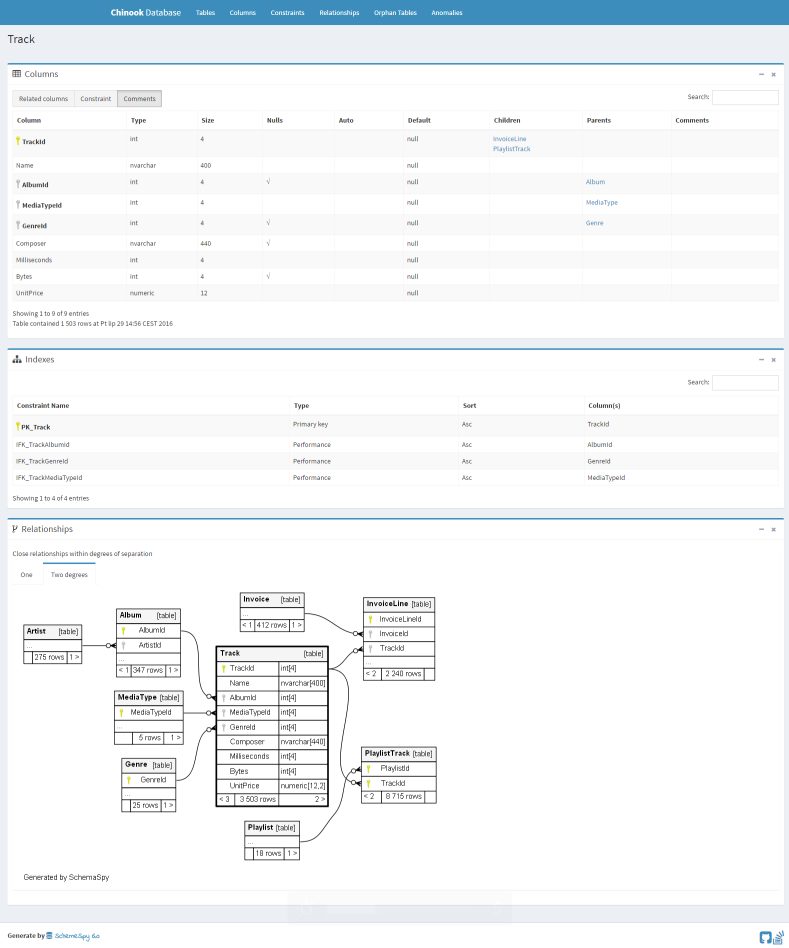
Browse some sample pages generated by SchemaSpy.
Note that this was run against an extremely limited schema so it doesn't show the full power of the tool.
: Refers to something that has grown excessively large or beyond a standard stage of growth.
According to a recent discussion among natural bodybuilders, the trapezius muscles (traps) are the number one muscle that looks worse when overdeveloped relative to the rest of the body. Overdeveloped traps can be one of the most noticeable upper-body features, especially when viewed from behind or in clothing, creating a "bull neck" appearance that can make the shoulders appear narrower. Many aesthetic-focused bodybuilders have historically avoided direct trap training for this very reason, as overly large traps de-emphasize the coveted V-taper and shoulder width.
So, how do you know if you're overdeveloping? Here are a few signs to look out for:
: Diving deeper into niche subfields than generalist professionals can afford to.
SchemaSpy
I would like to continuously improve SchemaSpy and to release a new version of this great tool because we haven't had any releases since version 5.0.0 was released in 2010.
I personally believe that work on SchemaSpy should be continued and a lot of the still-existing issues should be resolved.
I would like to say a BIG thank you to John Currier for inventing this database entity-relationship (ER) diagram generator. overdeveloped amateurs top