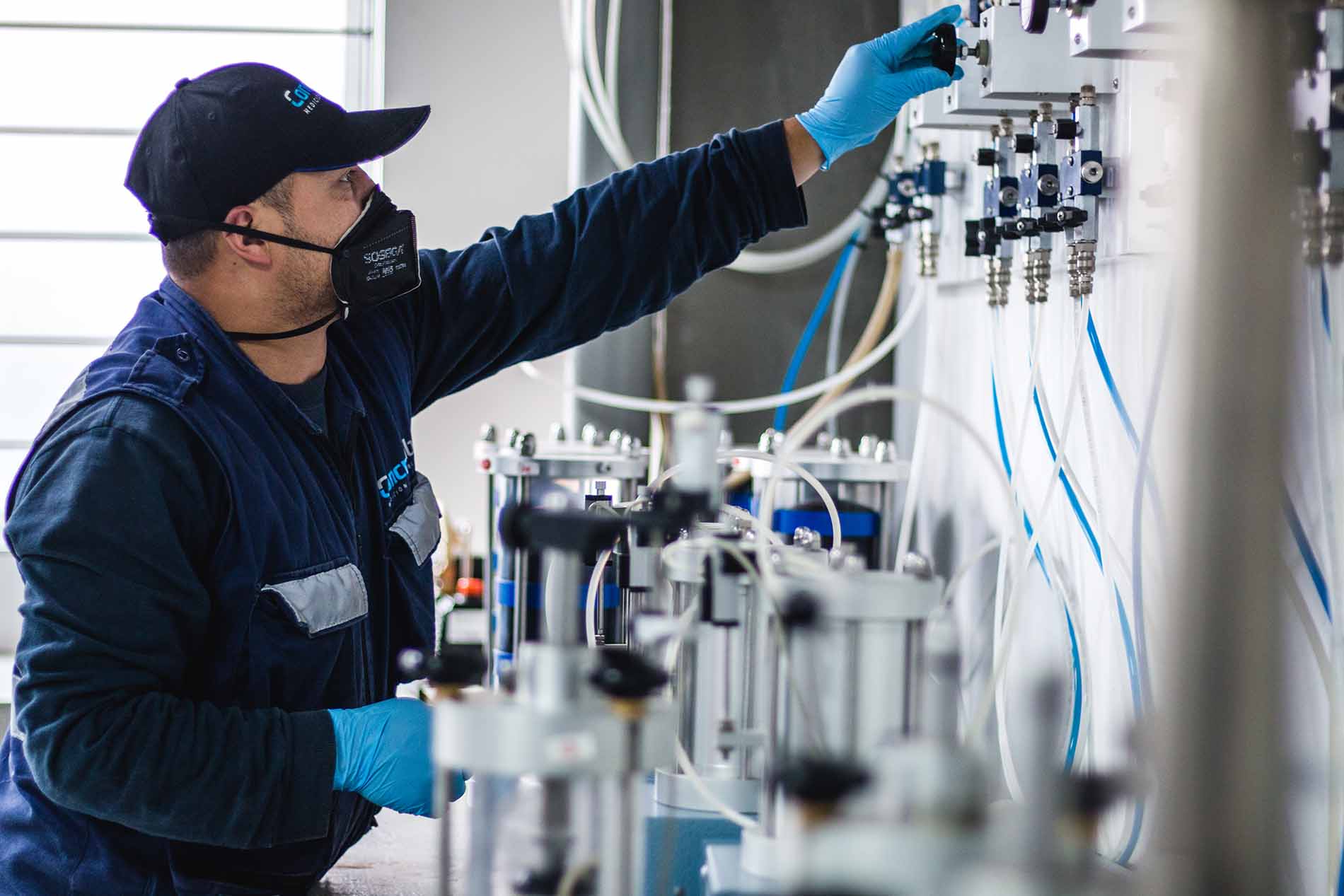
Laboratorio de Concretos y Prefabricados CONCRELAB: respaldo técnico para construir con confianza
Concrelab10 febrero 2026
While modern word processors struggle with mixing RTL and LTR (Left-to-Right) text (e.g., Urdu and English numbers/technical terms), InPage 2007 handles it seamlessly. You can type in Urdu, switch to English for a technical term, and then continue Urdu without breaking the line flow.
: A specific "Story Editor" mode allowed users to type and edit large blocks of text in a simplified view before formatting them into complex layouts. Core Features & Workflow urdu inpage 2007
The "detailed story" of centers on its role as the industry standard for Urdu desktop publishing (DTP) in the late 2000s, specifically designed to handle the complex, calligraphic Noori Nastaliq script. The Role of InPage 2007 While modern word processors struggle with mixing RTL
However, its legacy is a cautionary tale of the unintended consequences of technological monopolies and software piracy. By becoming an unassailable standard, it also became a barrier to progress. As we look to the future, the spirit of InPage—enabling beautiful, accessible Urdu communication—lives on in the modern, open, and interconnected digital ecosystem that is finally emerging. While its icons may fade from our desktops, InPage 2007's role as the cornerstone of digital Urdu will be remembered as a pivotal chapter in the story of the language. Core Features & Workflow The "detailed story" of
While it lacks the Unicode support expected in the modern era, InPage 2007 deserves high marks for its typography engine and historical impact. It professionalized Urdu computing, ensuring that the language could survive and thrive in the digital age with its beauty intact.
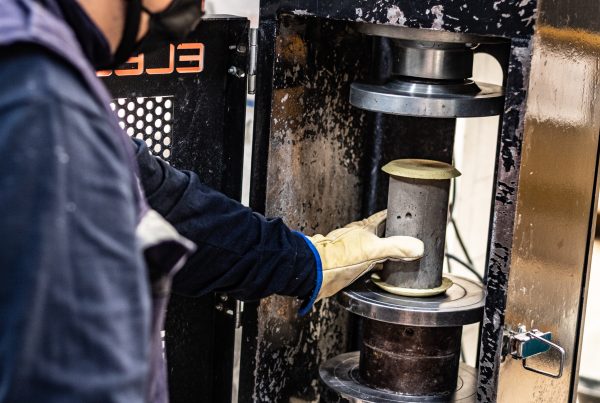 Laboratorio de Concretos y Prefabricados CONCRELAB: respaldo técnico para construir con confianza
 C.I.M.A. – El punto más alto en la calidad de los materiales
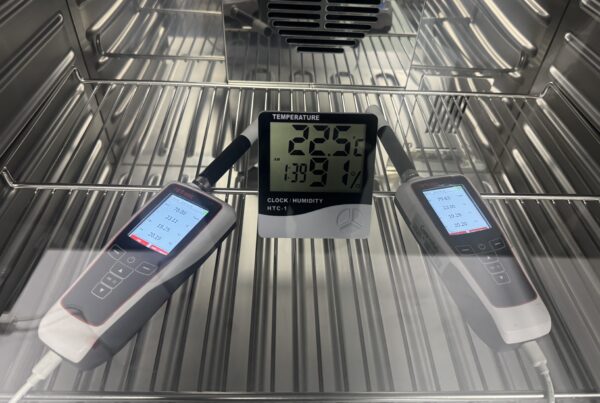 Importancia de la calibración de equipos de temperatura y humedad relativa en la industria y los laboratorios de construcción


