The term otaku refers to people with obsessive interests, commonly associated with anime, manga, and gaming. Tokyo’s Akihabara district serves as the global mecca for this subculture. What was once viewed domesticly as a negative social withdrawal has transformed into a major driver of tourism and economic revenue, celebrated for its consumer passion. Soft Power and Global Future
The global influence of Japanese culture is undeniable. From the neon-lit streets of Tokyo to millions of screens worldwide, Japan’s cultural exports shape global media consumption. This phenomenon is not accidental. It is the result of a deliberate, centuries-old blending of tradition and high-tech innovation. Understanding the Japanese entertainment industry requires looking at how traditional values drive modern media franchises. The Foundation of Pop Culture: Anime and Manga 10musume 092813 01 Anna Hisamoto JAV UNCENSORED
Unlike Western pop stars, who are often marketed on finished perfection, Japanese idols are marketed on growth. Fans invest emotionally and financially in an idol's journey from a flawed beginner to a polished star. Groups like AKB48 pioneered this "idols you can meet" concept through handshake events, creating an intensely loyal, highly monetized fanbase. 4. Live-Action Cinema and Television The term otaku refers to people with obsessive
The Japanese music industry, anchored by J-Pop, is the second-largest music market in the world. A defining characteristic of this sector is the "Idol" culture. Idols are highly manufactured media personalities trained in singing, dancing, and modeling. Soft Power and Global Future The global influence
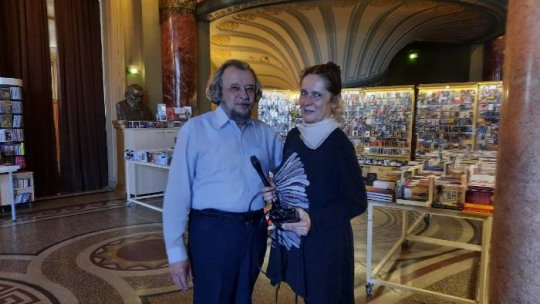
Prin noua haină muzicală pe care o îmbracă graţie inspiraţiei marelui compozitor Sabin Păutza avem din nou prilej să căutăm...

RadioDoc din 17 februarie 2022 - cu pianista Sînziana Mircea.
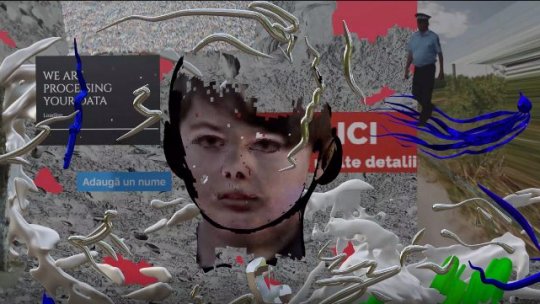
Metaverse-ul bate la ușă și, de data aceasta, nu ca spațiu versatil dintr-un roman cyberpunk.

Aflăm povestea întâlnirii cu natura, în toamna 2021, împreună cu Andreea David , Raluca Oancea Nestor și toți ce li s-au...
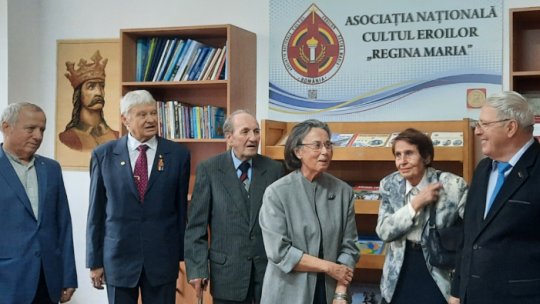
Istoria, eroii acestui pământ, arhivele , momumentele, memoria, cărțile , recunoașterea, premiile, ștafeta transmisă unei noi...
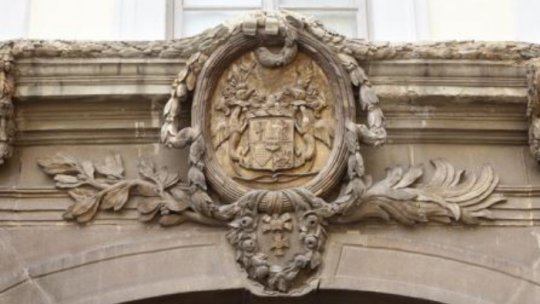
Din perspectivă culturală, secolul al XVIII-lea este pentru Transilvania secolul conectării la pulsul occidental, un secol al...